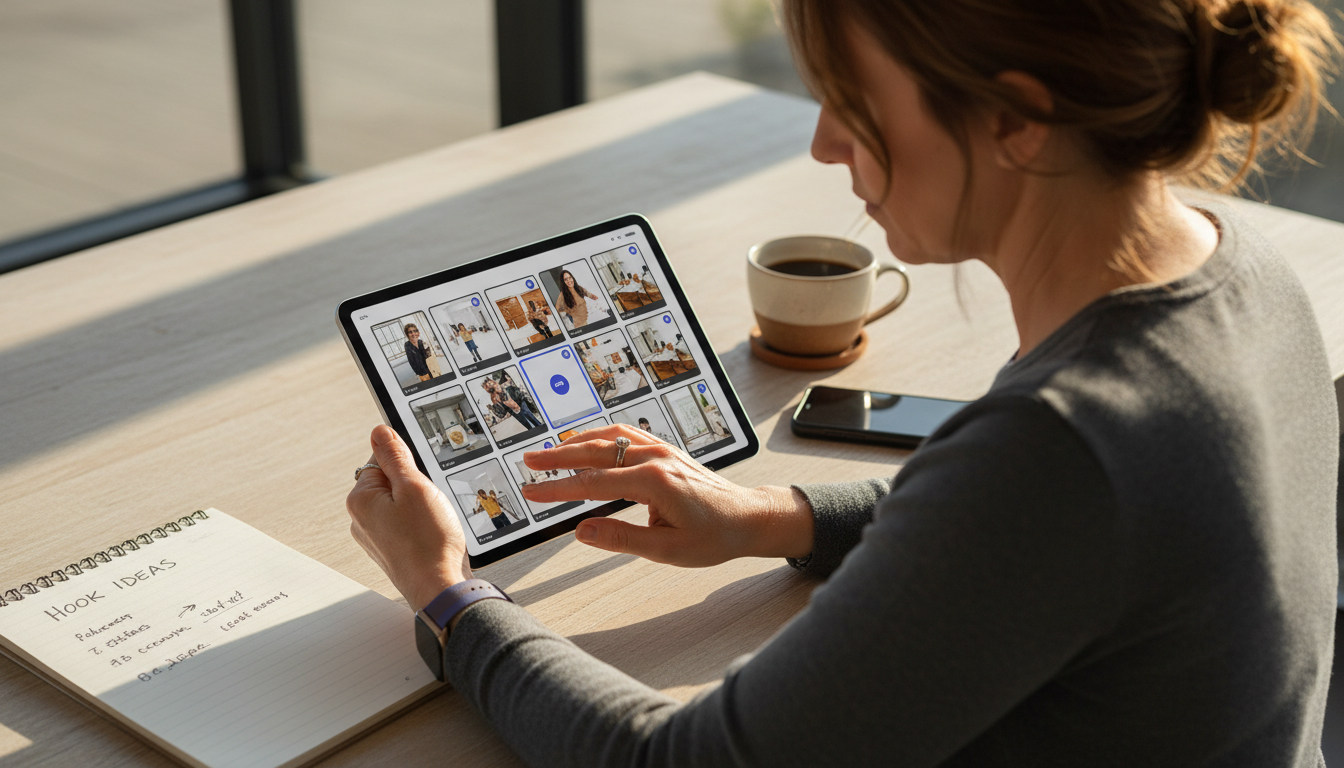
User-generated content on TikTok is not a trend that brands are still deciding whether to try. It is the default ad format. Polished brand videos now scroll past unnoticed while raw, creator-style clips hold attention and convert. If a brand is still waiting to build a UGC system, this guide covers everything needed to start, from sourcing clips to turning them into finished ads at scale.
The short answer: TikTok UGC works because it looks like content, not advertising. The best-performing UGC ads open with a strong hook in the first three seconds, follow it with a product demo, and keep the whole thing under sixty seconds. Brands that do this consistently and test multiple creative variants see lower CPAs and stronger ROAS than those running traditional video ads.
Table of Contents
- What TikTok UGC actually is
- Why UGC outperforms traditional ads on TikTok
- The 3-second rule explained
- Types of TikTok UGC that work for brands
- How to source UGC: paid creators, organic, and generated
- How to produce UGC ads without a video editor
- What makes a UGC hook strong
- Scaling UGC: templates, batching, and automation
- Common mistakes brands make with TikTok UGC
- A simple starting point
What TikTok UGC Actually Is
UGC stands for user-generated content. On TikTok, it refers to short vertical videos that look and feel like something a real person recorded, not a brand production. These can be genuine reviews from customers, clips made by paid creators briefed by a brand, or AI-assisted clips generated to fill creative gaps.
The defining quality of good UGC is that it does not look like an ad. It fits the native format of the feed. Someone watching scrolls past it without the instinctive resistance they bring to obvious brand content.
For brands, UGC serves a specific job in the ad funnel. It builds trust quickly, often faster than a polished product video, because viewers project the creator's credibility onto the product. A person on camera saying "this thing actually worked for me" carries more social weight than a branded graphic making the same claim.
In 2026, the definition has expanded slightly. UGC now includes:
- Organic UGC: Real customers posting about a product without being paid.
- Paid UGC: Creators hired to produce UGC-style content under a brand brief.
- AI-generated UGC: Avatar-based clips used to fill a content library when human footage is limited.
Brands using all three sources tend to have more creative options to test, which directly improves ad performance.
Why UGC Outperforms Traditional Ads on TikTok
TikTok's algorithm rewards content that holds attention. It does not distinguish between organic posts and paid ads when deciding how long to show something. That means an ad with weak retention gets pulled from distribution faster than one with strong watch time.
Traditional brand videos tend to have slow intros, polished graphics, and a clear "this is an advertisement" feel. Viewers clock that within a second and swipe. UGC-style content mimics what they are already watching, so they give it more time.
A few reasons UGC consistently outperforms on paid TikTok:
Trust transfer. When a creator shows a product and explains why they like it, viewers borrow that person's credibility. It is not a brand talking, it is a person.
Native format. Vertical video shot on a phone, with natural lighting and casual delivery, feels like the surrounding content. Ads that match the feed aesthetics get more scroll-stops.
Lower creative fatigue. Because UGC is cheaper to produce than studio video, brands can run more variants and rotate creative before audiences tune it out. More variants tested means faster learning.
Authenticity signals. Small imperfections, honest language, and real reactions read as genuine. TikTok audiences are highly sensitive to anything that feels staged.
The 3-Second Rule Explained

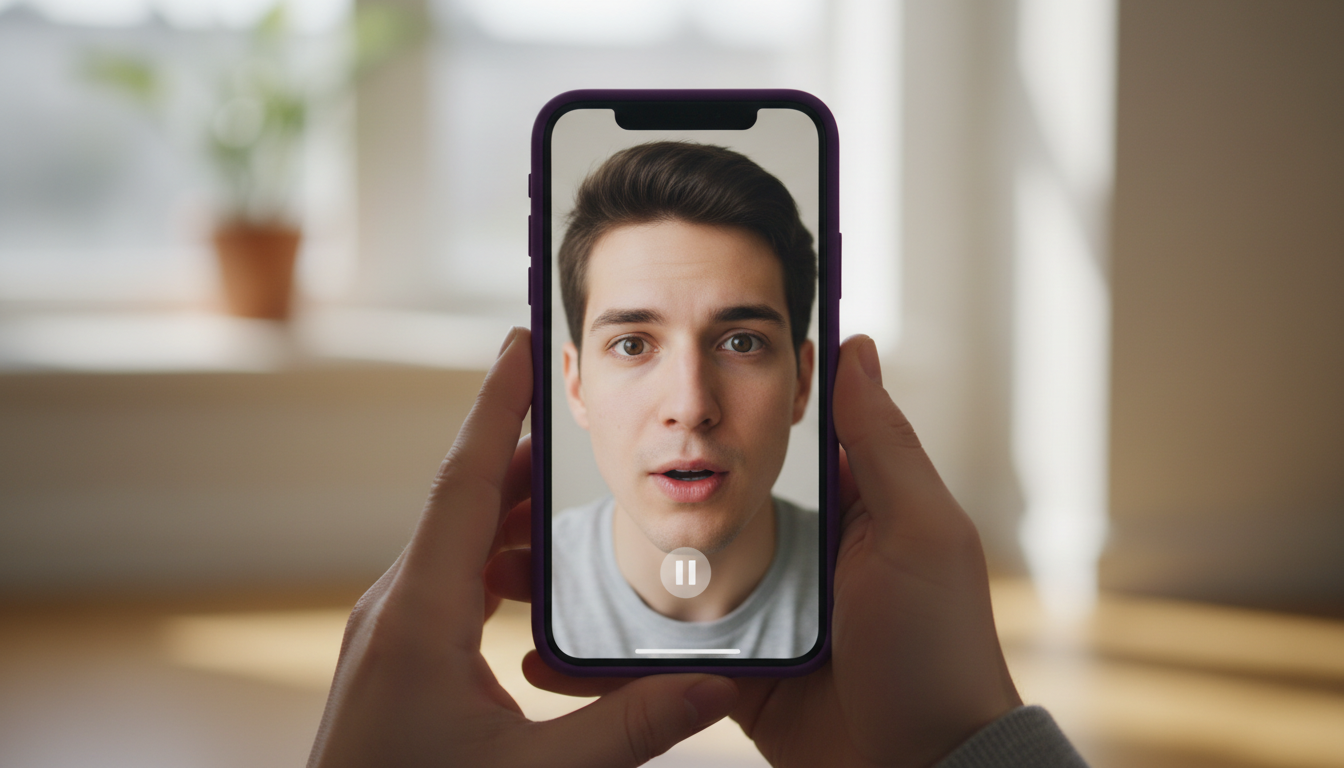
The 3-second rule is one of the most repeated pieces of TikTok advice, and it is true in a specific way. TikTok's internal data has consistently shown that a significant portion of viewers decide whether to keep watching within the first three seconds of a video.
For UGC ads, this means the opener, the hook, has to do real work before the product even appears.
A strong 3-second hook does one of a few things:
- Triggers curiosity ("I didn't expect this to actually work")
- Promises a specific result ("How I dropped 12 pounds without changing what I eat")
- Shows something visually surprising or unusual before any words appear
- Directly addresses a pain point the viewer recognizes ("If your back hurts every morning, watch this")
The hook is not a logo reveal. It is not a brand name. It is not "Hey guys, today I want to share." Those lose viewers instantly.
The practical implication for brands is that the UGC clip chosen to open an ad is as important as the product demo that follows it. A weak opener wastes even a great product demo. This is why scoring clips before building an ad saves time and money. Knowing which clips have a strong hook before committing to an ad batch prevents wasted work.
Types of TikTok UGC That Work for Brands
Not all UGC performs the same way. Different formats suit different products and audiences.
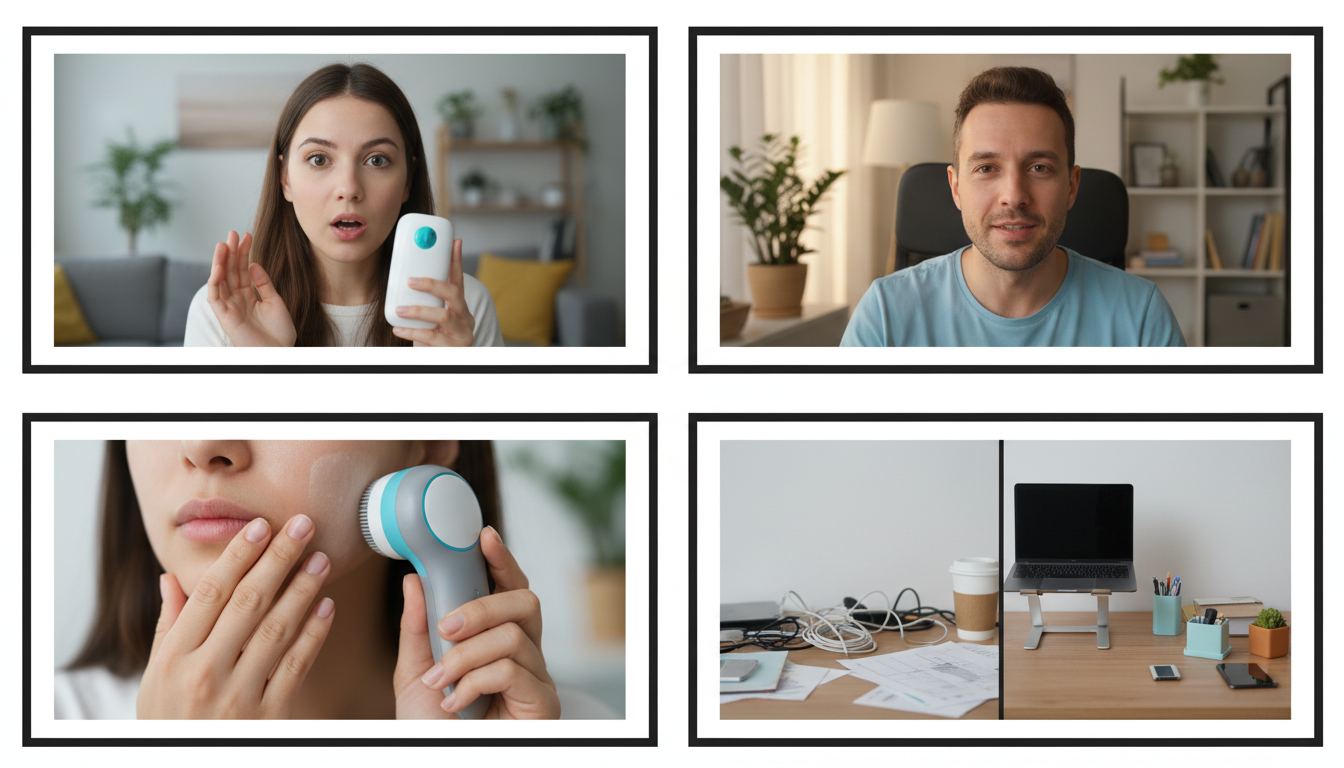
Reaction Clips
A person reacts to discovering, trying, or seeing results from a product. The reaction does not need to be dramatic. A genuine moment of surprise or satisfaction reads well. These work especially well as openers because they are visually engaging before any product appears on screen.
Testimonial-Style Talking Head
A creator speaks directly to camera about their experience with a product. This format works well for products that need explanation or have a clear before-and-after story. The key is specificity. "It helped with my sleep" is weaker than "I used to wake up three times a night and now I don't."
Demonstration with Commentary
The creator shows the product in use while explaining what they are doing and why they like it. This format works well for physical products, apps, and anything with a visible result. The demo should come after a hook, not before.
Before and After
The viewer sees a problem state, then a resolution. This can be direct (a physical transformation) or implied (a cluttered workflow made clean). This format creates natural tension that keeps viewers watching to see the result.
B-Roll with Voiceover or Text
Short clips of a product in everyday use, with text overlay or voiceover carrying the message. This works well as part of a longer stitch when combined with a stronger opener.
For a quick look at how these formats play out in practice, the stitchr motivation fitness demo and stitchr boyfriend ten out of ten examples show how a UGC opener pairs with a product demo in a finished ad.
How to Source UGC: Paid Creators, Organic, and Generated
Paid UGC Creators
In 2026, the paid UGC creator market is well established. Creators who specialize in UGC-style content (not influencer posts, just ad-ready footage) can be found on platforms like TikTok Creator Marketplace, Fiverr, and dedicated UGC marketplaces.
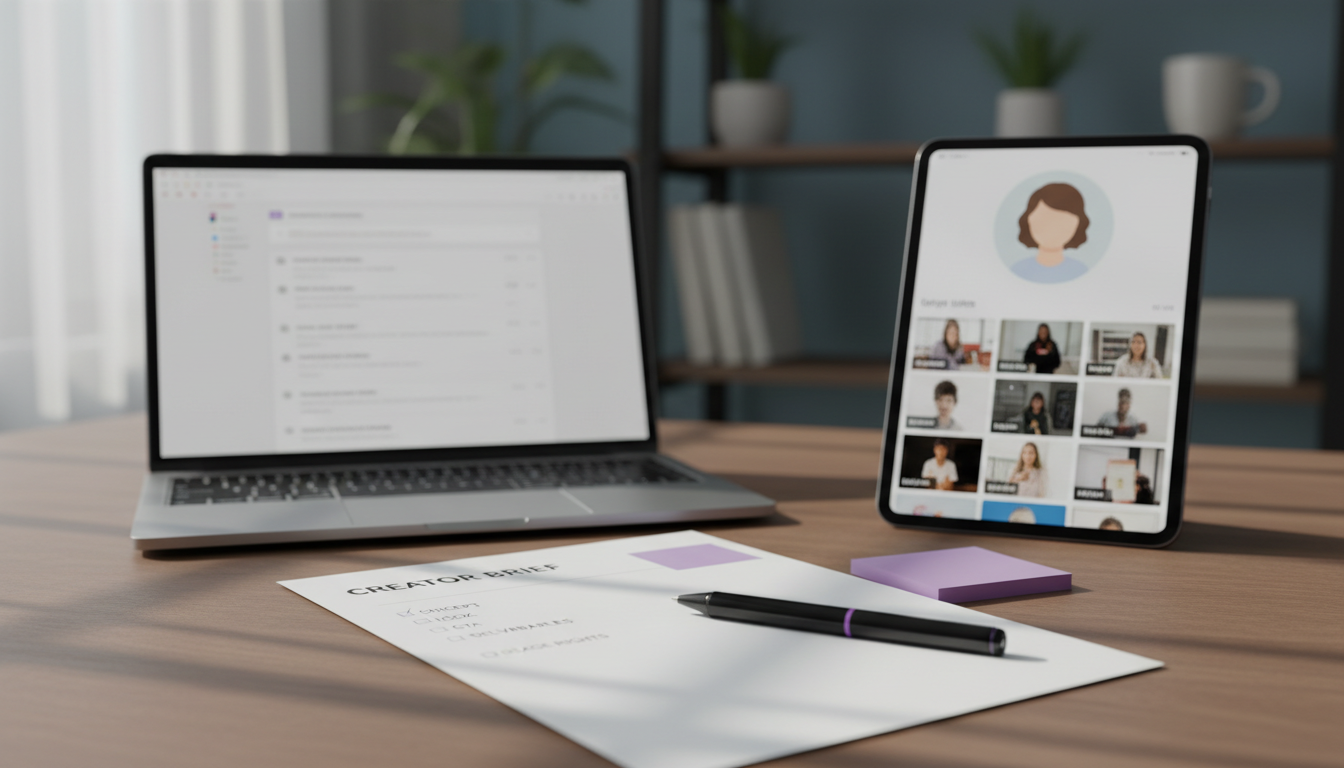
When briefing a UGC creator, keep it simple:
- Give them the hook angle or a few hook options to try
- Specify the format (talking head, demo, reaction)
- Describe the specific result or claim the product delivers
- Ask for multiple takes, not a single polished video
- Request raw or lightly edited vertical footage, not a finished ad
Multiple takes matter because one creator session can yield several testable openers from a single session.
Organic UGC
Organic UGC, real customers posting about a product, requires a different approach. Brands cannot simply scrape TikTok and use content without permission. The right way to collect organic UGC is to ask for rights directly. Comment on posts, send a message, offer a small incentive, and get written permission before using anything in paid ads.
Building a habit of collecting organic UGC as it appears prevents dry spells later. A simple system, even a shared folder where customer posts are logged, makes this sustainable.
AI-Generated UGC
When a library needs more clips and a photo shoot is not practical, generated UGC fills the gap. Tools that create avatar-based reaction clips or swap a different person's face into existing footage can add variation to a creative library without requiring another creator session.
This is not a replacement for human UGC. It is a way to extend an existing library, add more hook variants, or create b-roll that can sit between two stronger clips.
The clipr home gym talking head is a good example of how a short generated clip can function as a usable opener in a finished ad.
How to Produce UGC Ads Without a Video Editor
The most common bottleneck in UGC ad production is the editing step. Brands collect creator clips, then face the process of opening a timeline editor, trimming each clip, exporting, renaming, and uploading. When running multiple ad variants across multiple products, this process takes hours per batch.
The structure of a TikTok UGC ad is simple: a UGC opener followed by a product demo. That structure does not require complex editing. It requires pairing the right clips in the right order, trimming dead space, and adding a text hook if needed.
Tools designed specifically for this workflow (rather than general-purpose editors) remove the timeline entirely. The process becomes: choose a UGC clip, choose a product demo, trim, add text, export. For a batch of ten ad variants using the same product demo but different UGC openers, this can take minutes instead of hours.
ClipStitchr is built for exactly this workflow. Upload UGC clips and product demos once, score them to find the strongest options, pair them to create vertical ad variants, and keep everything in one library. There is no timeline editor. The structure is always the same: UGC first, demo second.
The stitchr boyfriend strength demo and stitchr never work fitness demo show what finished stitches look like in practice, with a UGC opener leading into a product demo.
What Makes a UGC Hook Strong
The hook is the opener. It is the UGC clip, or the first few seconds of it, that plays before anything else. Getting this right is the single highest-leverage improvement a brand can make to its TikTok ad performance.
Strong hooks share a few qualities:
Specificity over vagueness. "This saved me $200 last month" beats "this is so good." Specific claims give the viewer something concrete to evaluate.
The face is visible immediately. TikTok viewers are wired for faces. A clip that opens on a face, with clear lighting and direct eye contact or natural expression, holds attention better than one that opens on a product shot.
Fast pace in the first second. Long pauses, slow zooms, or animated logos at the start kill watch time. The clip should start mid-sentence or mid-action.
Pattern interrupts. Anything unexpected, a surprising result, an unusual setting, a question the viewer did not expect to hear, makes them pause.
Emotional match. The hook should match the emotional state of someone who has the problem the product solves. A fitness product hook should feel like something a person struggling with their routine would stop to watch.
When evaluating UGC clips before building an ad, it is worth asking: would someone who has this problem stop scrolling for this? If the honest answer is "maybe," it is worth finding a stronger clip first.
ClipStitchr's clip scoring tool looks at exactly this. It rates each clip on hook strength, camera presence, pace, and how well it fits the short-form format, before any time is spent building an ad around it. Clips marked "worth using" float to the top. Clips that need a quick fix get a note explaining what to change.
Scaling UGC: Templates, Batching, and Automation
Once a brand has a working UGC ad format, the challenge shifts from figuring out what to make to making enough of it fast enough to keep up with creative fatigue.
Batching
Batching means producing multiple ad variants in one session instead of one at a time. A single product demo paired with five different UGC openers produces five ad variants in roughly the same time it takes to make one. Those five variants can be tested against each other quickly, and the winner can be scaled while new variants are prepared.
Batching works best when the product demo is strong and stable. The UGC opener is what changes. This structure also makes it easy to test specific hook angles, one variant per angle, within a single batch.
Templates
Templates save the setup from a finished ad so the next batch starts from a known structure. The UGC opener changes, but the demo, the text style, the caption structure, and the timing all carry forward. This removes the "blank page" problem at the start of each production session.
A saved template might look like: UGC opener, product demo, text hook in the first three seconds, caption with a clear CTA. The next batch loads that structure and swaps in fresh UGC without rebuilding anything.
Automation
For brands running high-volume ad programs, automating daily draft production means new content is ready to review every morning without manual setup. The marketer reviews the drafts, edits anything that needs changing, and approves only what is ready to post.
This kind of system keeps the content library from going stale without requiring daily manual effort. The marketer stays in control of what goes live, but the repetitive preparation work happens in the background.
Common Mistakes Brands Make with TikTok UGC
Starting with the product, not the problem
The most common UGC mistake is an opener that starts with the product itself. "Introducing [product name]" or "Have you tried [product]?" opens with the solution before the viewer has been reminded they have the problem. Starting with the pain point, the frustration, the goal, the relatable moment, earns the product reveal.
Using one variant
Testing one ad and calling it a result is not a test. TikTok's ad auction is noisy. A single creative can underperform for reasons that have nothing to do with the concept: the wrong audience segment saw it first, the budget was too low to get signal, or a competing ad happened to overlap the same day. Multiple variants, testing different hooks, different openers, and different text overlays, give real data.
Ignoring clip quality before production
Not every clip a creator sends back is usable. Some have a slow start. Some have poor lighting. Some have a hook that is too vague to hold attention. Spending time building an ad around a weak opener wastes production effort and wastes ad budget. Scoring clips before choosing which ones to build ads around fixes this.
Over-polishing
Adding too many graphics, transitions, branded lower thirds, or music that is clearly production-quality undermines the native feel that makes UGC work. The point is that it looks like content, not advertising. Adding polish past a certain point signals "this is an ad" and the viewer tunes out.
Neglecting the demo
The UGC hook gets the attention. The product demo converts it. Brands that focus entirely on the hook and use a weak or unclear demo lose viewers right at the point when they were most ready to learn more. The demo should show the product doing the thing it does, clearly, without dead air, and fast enough to hold the attention earned by the opener.
How to Become a UGC Creator in 2026
Brands are not the only ones reading this. Creators who want to get into the paid UGC space have a straightforward path.
The starting point is a small portfolio. Pick two or three products already used daily, film simple UGC-style clips for each one, and compile them. These do not need to be ads for real campaigns. They just need to show brands what the work looks like.
The format to practice first is the talking head demo. Face on camera, natural lighting, a specific hook in the first few seconds, and a clear explanation of why the product is good. Keep it under sixty seconds. Start mid-sentence if possible.
From there, begin reaching out to brands directly on TikTok or through UGC platforms. Small and mid-size brands often have smaller creative budgets and are more open to working with newer creators than large brands with locked agency relationships.
The skills that matter most for paid UGC:
- Writing hooks. This is the highest-leverage skill.
- Delivering naturally on camera without a script that sounds scripted.
- Filming vertical video with clean framing and decent lighting.
- Understanding what the brand is trying to communicate and translating it into the creator's own voice.
For brands hiring UGC creators, look for creators who understand pacing and hooks, not just those with large followings. A creator with 2,000 followers who films excellent hooks is more valuable for UGC ads than a creator with 200,000 followers who delivers slow, polished content.
A Simple Starting Point
For a brand just beginning with TikTok UGC, the simplest possible system is this:
- Get five to ten UGC clips, from creators or from customers with permission.
- Film or commission one clear product demo.
- Score the UGC clips to find the strongest two or three openers.
- Pair each strong opener with the product demo to create two or three ad variants.
- Add a text hook to each variant.
- Run the variants against each other and keep the winner.
- Repeat with a new batch of openers.
This process is repeatable. The more times it runs, the better the brand's understanding of which hooks, formats, and angles work for their audience.
The production step, pairing UGC with demos and exporting finished vertical ads, is where most brands lose time. Using a tool built for this specific workflow removes the timeline editor entirely and lets the focus stay on creative decisions rather than technical ones.
ClipStitchr handles that step. Upload clips once, score them, pair them in seconds, save templates for the next batch, and keep everything in one library. The stitchr motivation fitness demo and other examples on the site show what the finished output looks like.
The Bigger Picture
TikTok UGC in 2026 is not complicated. The format is well understood, the tools are better than they have ever been, and the brands winning on the platform are not the ones with the biggest budgets. They are the ones running the most variants, learning the fastest, and shipping content consistently.
The gap between knowing how UGC works and actually producing it at volume is almost always a production bottleneck. Solving that bottleneck, whether through smarter tooling, better batching habits, or automation, is what separates brands that understand UGC from brands that are actually winning with it.
Start with one batch. Score the clips first, build a few variants, test them, and build the next batch from what is learned. That loop, repeated consistently, is the whole system.
Ready to turn UGC clips into finished ad variants without opening a timeline editor? ClipStitchr is built for exactly that workflow.