UGC is content made by people outside your brand's polished marketing voice. In 2026, the useful version is not "a nice customer photo." It is proof you can turn into a finished short-form ad, product page asset, email block, or sales enablement clip.
That distinction matters because the internet is full of content. What most brands are missing is usable proof: clips, reviews, comments, reactions, and creator demos that can survive the jump from social feed to ad account.
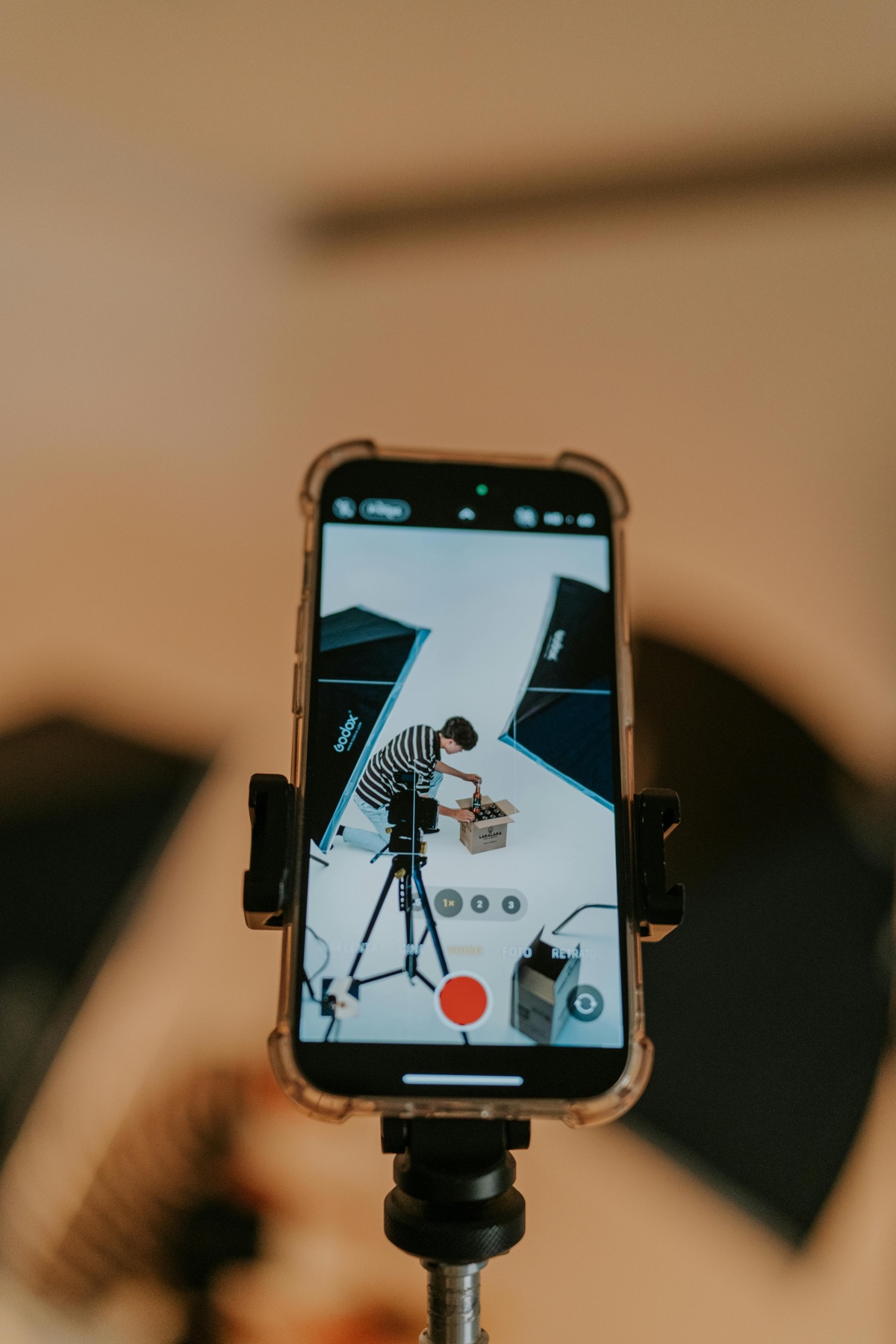
UGC in 2026 often starts as rough source footage, then gets organized, licensed, edited, and tested as vertical creative.
What UGC means in 2026
UGC stands for user-generated content. For marketing teams, it usually means content created by customers, creators, employees, fans, or community members instead of a brand team.
The important part is not who pressed record. It is the point of view. UGC works because it looks and sounds closer to the way a real person would explain a product to a friend:
- a customer showing what arrived in the box
- a creator trying a product on camera
- a founder answering a comment with a screen recording
- a customer review turned into a short video
- a before-and-after clip from a real use case
- a product demo that starts with the problem, not the feature list
Some UGC is organic. A customer posts because they wanted to. Some is paid. A brand hires a creator to make footage that looks native to TikTok, Reels, or Shorts. Both can be useful, but they are not the same thing. Paid creator content needs clear disclosure and usage rights. Organic UGC needs permission before a brand republishes or runs it as an ad.
The best UGC feels specific, not generic
Generic UGC says, "This product changed my life." Specific UGC says, "I stopped losing my lip balm in my work bag because this case clips to my keys." The second version gives a buyer something concrete to believe.
That is why the best UGC usually has one of four jobs:
- Show proof: unboxing, review, result, comparison, testimonial, comment, or real-world use.
- Show context: where the product lives, who uses it, and what situation triggers the need.
- Show process: setup, routine, recipe, workflow, transformation, or mistake correction.
- Show objection handling: price, fit, shipping, durability, learning curve, or "does this work for someone like me?"
If the clip does not make a buyer understand, trust, or want the product more, it may be content, but it is not useful UGC.
UGC is not just influencer marketing
Influencer marketing is usually about distribution: paying someone with an audience to post. UGC is about creative supply: getting believable source material you can reuse across channels.
There is overlap. A creator with an audience can make UGC. A customer with 200 followers can make UGC. A paid creator with no large following can make excellent UGC if they understand the buyer, the problem, and the product.
For a lean brand, that changes the buying decision. You are not only asking, "Who can reach people?" You are asking, "Who can make footage we can test?"
What counts as UGC
Here is the practical version.
| Format | Example | Where it works |
|---|---|---|
| Customer video | A buyer films the setup process from the kitchen counter | TikTok, Reels, Shorts, paid social |
| Product review | A quote from a verified buyer with a photo or short clip | Product pages, email, ads |
| Creator demo | A paid creator records three hooks and one product walkthrough | Paid social creative testing |
| Comment response | A brand answers a real customer question with a short demo | Organic social, retargeting |
| Community proof | A Reddit thread, tagged post, or customer story with permission | Landing pages, sales decks |
| Employee or founder clip | Someone inside the company explains a real customer use case | LinkedIn, TikTok, product education |
The boundary is permission and truth. A fake customer testimonial is not UGC. AI-generated "customer" footage is not UGC. It may be UGC-style creative, but calling it UGC creates a trust problem and can create a compliance problem.
Why UGC still works when feeds are flooded
Short-form feeds trained buyers to judge ads fast. People look for signals: Is this a real use case? Does the person understand the problem? Can I see the product clearly? Is the claim believable?
UGC answers those questions faster than a polished brand spot because the format carries context. A bathroom mirror, messy desk, delivery box, phone camera, or screen recording can make the asset feel closer to the buyer's world.
That does not mean low effort wins. Bad UGC is still bad creative. The hook can be weak. The product can be hard to see. The clip can ramble. The claim can feel scripted. The strongest UGC keeps the real-person texture, then edits ruthlessly around the buyer's question.
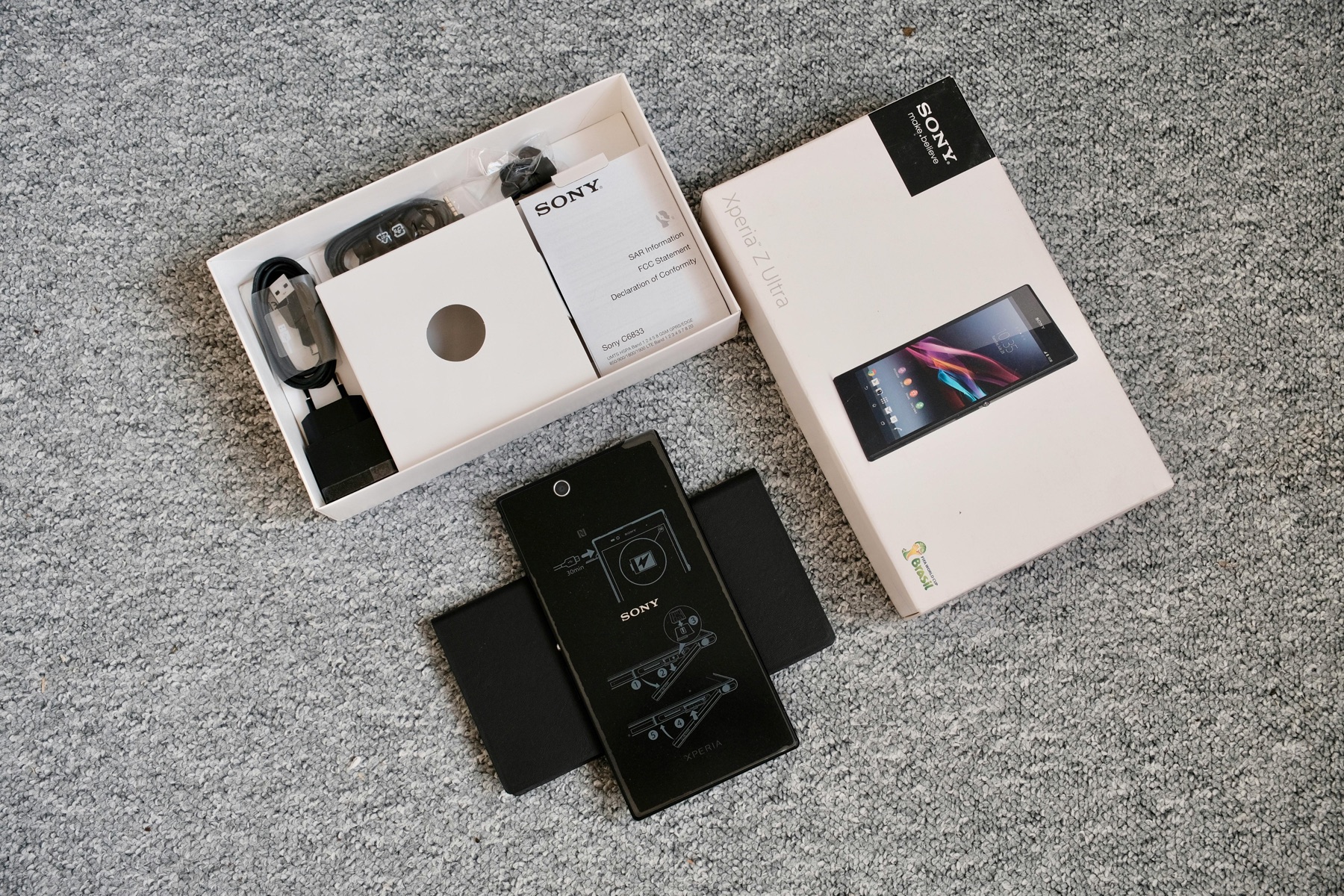
Unboxings work when they answer practical buyer questions: what arrives, what it looks like, how it fits into a routine, and what happens next.
Modern UGC examples worth copying
You do not need a huge campaign idea. Start with situations where a buyer already wants proof.
Skincare: A customer records a day-14 texture update in normal bathroom lighting. The brand pairs the clip with a short product demo that shows how much to apply and when to use it.
SaaS: A customer sends a Loom explaining how they replaced a spreadsheet. The brand trims one sentence into a hook, then stitches it to a 10-second screen demo.
Kitchenware: A creator films one recipe using the product, then captures a separate close-up of cleanup. The ad tests the recipe hook against the cleanup hook.
Fitness: A coach records a client explaining why a routine finally stuck. The brand pairs that clip with a quick walkthrough of the app or equipment.
Local service: A business turns a detailed Google review into a voiceover over before-and-after b-roll. The ad does not need a celebrity. It needs a real job, real location, and real result.
The pattern is simple: human proof first, product clarity second.
How to collect UGC without creating a mess
Most brands do not have a UGC shortage forever. They have a system shortage.
Use this collection workflow:
- Define the proof gaps. List the buyer objections you need content for: price, quality, setup, shipping, fit, speed, trust, or results.
- Ask for one useful clip at a time. "Show what came in the box" beats "Send us content." "Film the first 30 seconds of setup" beats "Tell us your story."
- Give creators a brief, not a script. Tell them the buyer, claim boundaries, must-show product details, and deliverables. Let them speak naturally.
- Capture permission in writing. Separate organic repost permission from paid ad usage rights. Spell out where you can use the asset and for how long.
- Store clips by job. Tag each asset by product, objection, format, creator, rights status, and channel.
- Turn raw clips into variants. One strong customer clip can become a TikTok ad, Reels ad, product page video, email GIF, and sales proof asset.
The boring metadata is what lets you reuse UGC later. Without it, every campaign starts with someone hunting through a downloads folder named "new final final."
The rights and disclosure rules are part of the workflow
UGC is only useful if you are allowed to use it.
Before you repost or advertise with someone else's content, get clear on:
- Permission: Did the creator or customer say you can use the content?
- Scope: Can you use it organically, in paid ads, on your website, in email, or all of the above?
- Term: Is the usage window 30 days, 6 months, 1 year, or perpetual?
- Editing: Can you crop, add text overlays, cut clips down, or pair the clip with a demo?
- Credit: Does the creator require tagging or attribution?
- Disclosure: Is there a material connection, free product, payment, affiliate deal, or employment relationship that needs to be disclosed?
The FTC's endorsement guidance is blunt: if there is a material connection that a viewer would not expect, it needs to be disclosed clearly. Do not bury that in a profile bio, a vague hashtag stack, or a contract no viewer will ever see.
How to repurpose UGC into ads
The fastest UGC ad structure is usually:
- Start with the human proof.
- Cut dead air.
- Add a short text overlay that names the problem or objection.
- Show the product solving that problem.
- End with a clear next step.
For many products, a UGC-then-demo sequence is the cleanest path. The UGC earns attention and trust. The demo explains what the product actually does. That is the gap many raw creator clips leave open: they feel believable, but the buyer still cannot tell what to buy or why now.
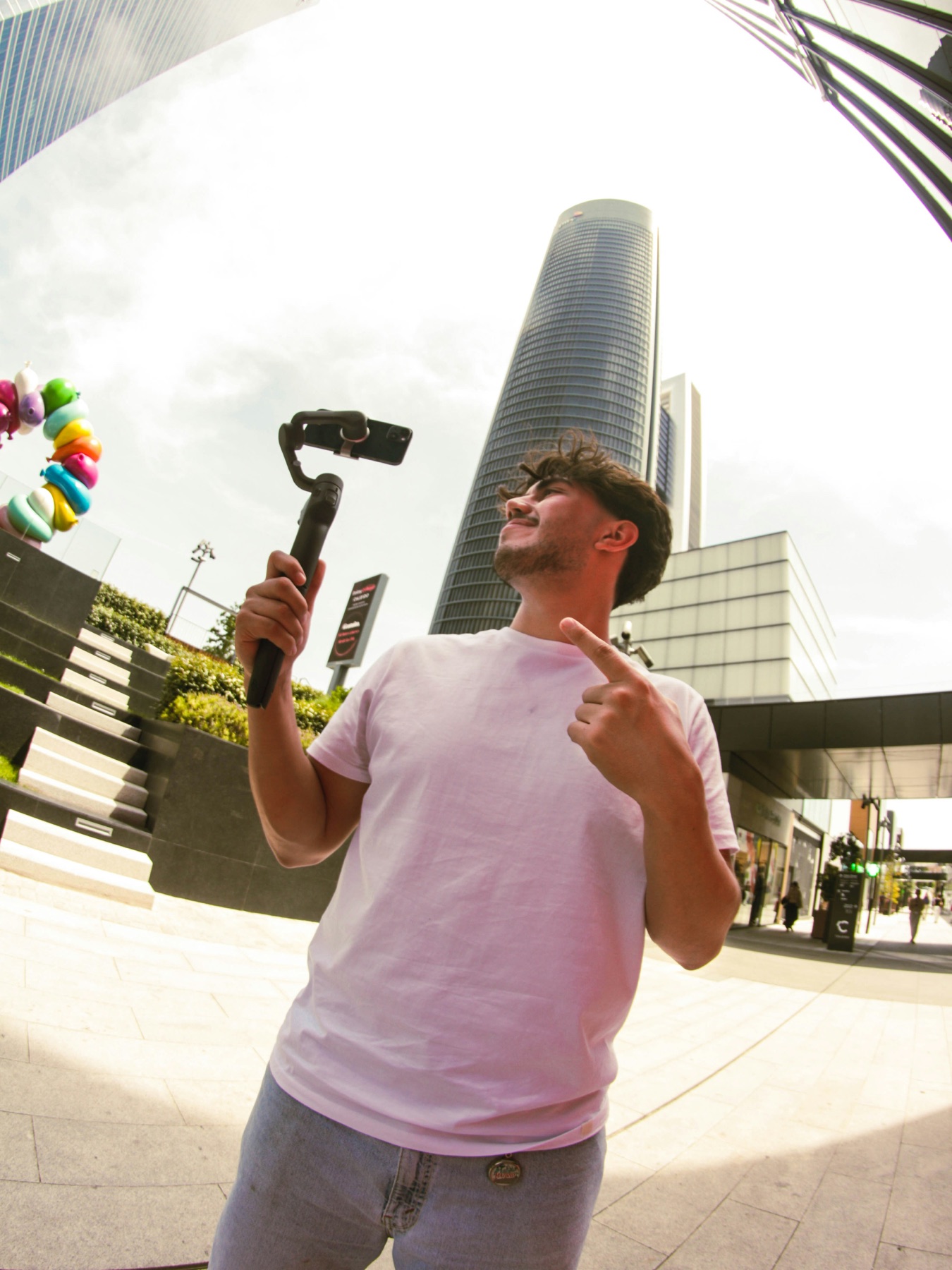
Treat every clip as source material. The same creator moment can support several hooks, demos, captions, and channel-specific edits.
A simple UGC testing plan
Do not test twenty random videos and call it a strategy. Build a small matrix.
Start with one product and one buyer segment. Collect:
- 3 proof angles: review, unboxing, result
- 3 hooks: problem, objection, surprising detail
- 1 clear product demo
- 1 offer or next step
Then create nine variants by pairing each proof angle with each hook, while keeping the demo and offer stable. This keeps the test readable. If one angle wins, you know what to brief next. If one hook wins, you can reuse it with new footage.
Track the basics:
- hook hold rate or 3-second view rate
- thumbstop or scroll-stop rate
- click-through rate
- conversion rate
- cost per acquisition
- saves, shares, and comments
- comment quality and objection patterns
Creative testing is not just finding a winner. It is learning what proof buyers need before they believe the offer.
How ClipStitchr thinks about UGC
For ClipStitchr, UGC is not a folder of assets. It is raw material for finished ads.
The useful workflow is:
- Upload UGC clips and product demos.
- Normalize them into vertical 9:16 assets.
- Keep them in a reusable content library.
- Pair each UGC clip with a demo.
- Add one clear text overlay.
- Export finished ad variants you can actually test.
That keeps the work focused. You are not opening a full video editor just to create another simple ad variation. You are turning proof plus demo into output.
The 2026 UGC checklist
Use this before a clip goes into production:
- The creator, customer, or source is real and identifiable.
- The claim is specific and supportable.
- The product is visible enough for a new buyer to understand it.
- The first three seconds make the problem or payoff clear.
- Usage rights are written down.
- Any paid, gifted, affiliate, or employee relationship is disclosed.
- The clip is tagged by product, angle, rights, and status.
- The final edit fits the channel's format, usually vertical 9:16 for short-form ads.
- The asset is tied to a test plan, not just posted once and forgotten.
UGC is not magic. It is proof with a production system around it. The brands that win with it are not the ones collecting the most clips. They are the ones that know what each clip is supposed to prove, where it can legally run, and how to turn it into the next finished ad.
Sources and images
Sources: Hootsuite UGC guide, TikTok What's Next 2026 Trend Report, FTC influencer disclosure guidance, DataReportal Digital 2026, IAB creator economy advertising, and Bazaarvoice Shopper Experience Index.
Images: Pexels photos by Amar Preciado and Phong Thanh, plus an Unsplash photo by wilson montoya. Product appearances are illustrative and do not imply endorsement.
Sign Up
Interested in what we're building? We'd love to hear from you. Click the link below to get started.
Sign Up