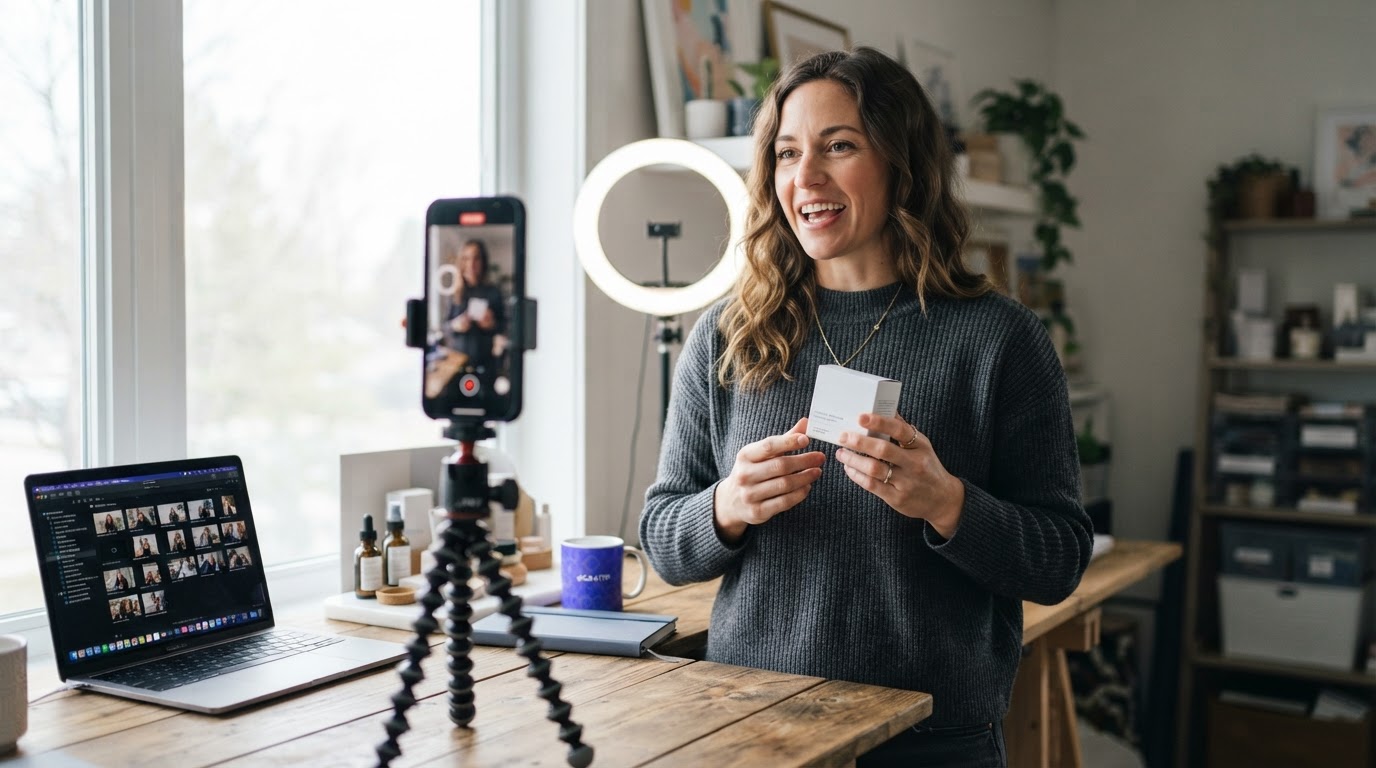
TikTok has been genuinely useful for small businesses. Short videos, strong organic reach, and a discovery algorithm that does not punish accounts with small followings made it easy to grow without a big ad budget. But uncertainty around the platform has pushed a lot of business owners to ask a fair question: where else can this work?
The short answer is that several platforms can fill most of what TikTok does for small business marketing. Some are better for organic reach. Some make paid ads easier. Some let you lean into shopping features. And a few are quietly underused, which makes them worth a serious look right now.
This post walks through the most practical TikTok alternatives, what each one is actually good for, and how to think about your content workflow across whichever platforms you choose.
Table of Contents
- Why small businesses are looking for TikTok alternatives
- Instagram Reels
- YouTube Shorts
- Facebook Reels and Facebook Shops
- Snapchat Spotlight
- Which platform should you focus on?
- How to keep your content workflow manageable
Why small businesses are looking for TikTok alternatives
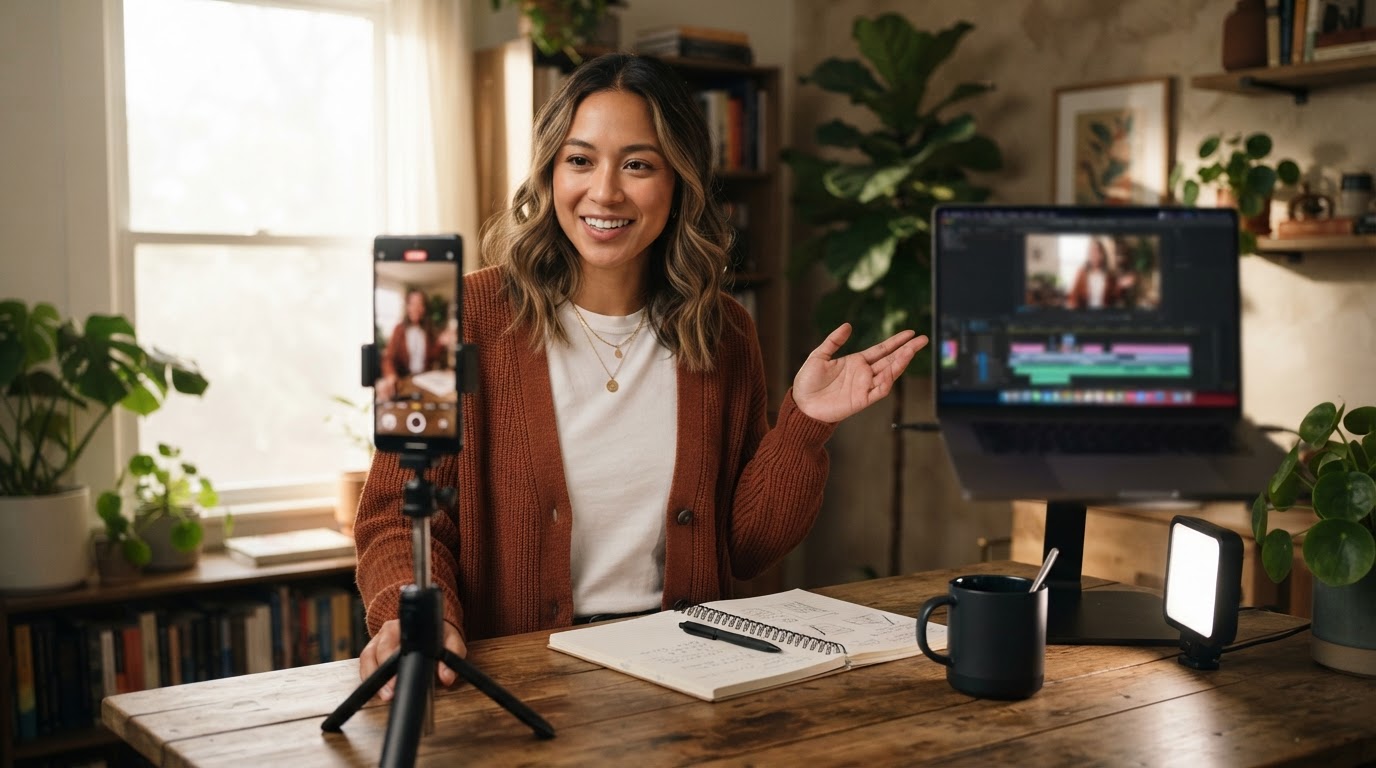
The platform is not gone, but the risk is real enough that it makes sense to build a presence somewhere else in parallel. Even if TikTok stays fully available in your market, relying on a single platform is a fragile strategy. Algorithm changes, policy shifts, or account issues can cut your reach overnight.
There is also the practical issue of content ownership. Content you upload to TikTok lives on TikTok's servers, not yours. If the platform becomes unavailable or restricts your account, you lose your distribution channel instantly.
Building a presence on at least one or two alternatives now, before you need them, is the move. And the good news is that the skills and formats you have already developed on TikTok, especially short vertical video, transfer directly.
If you have been thinking about this for a while, it is also worth reading through the pros and cons of short-form video before you commit your workflow entirely to any single format.
Instagram Reels
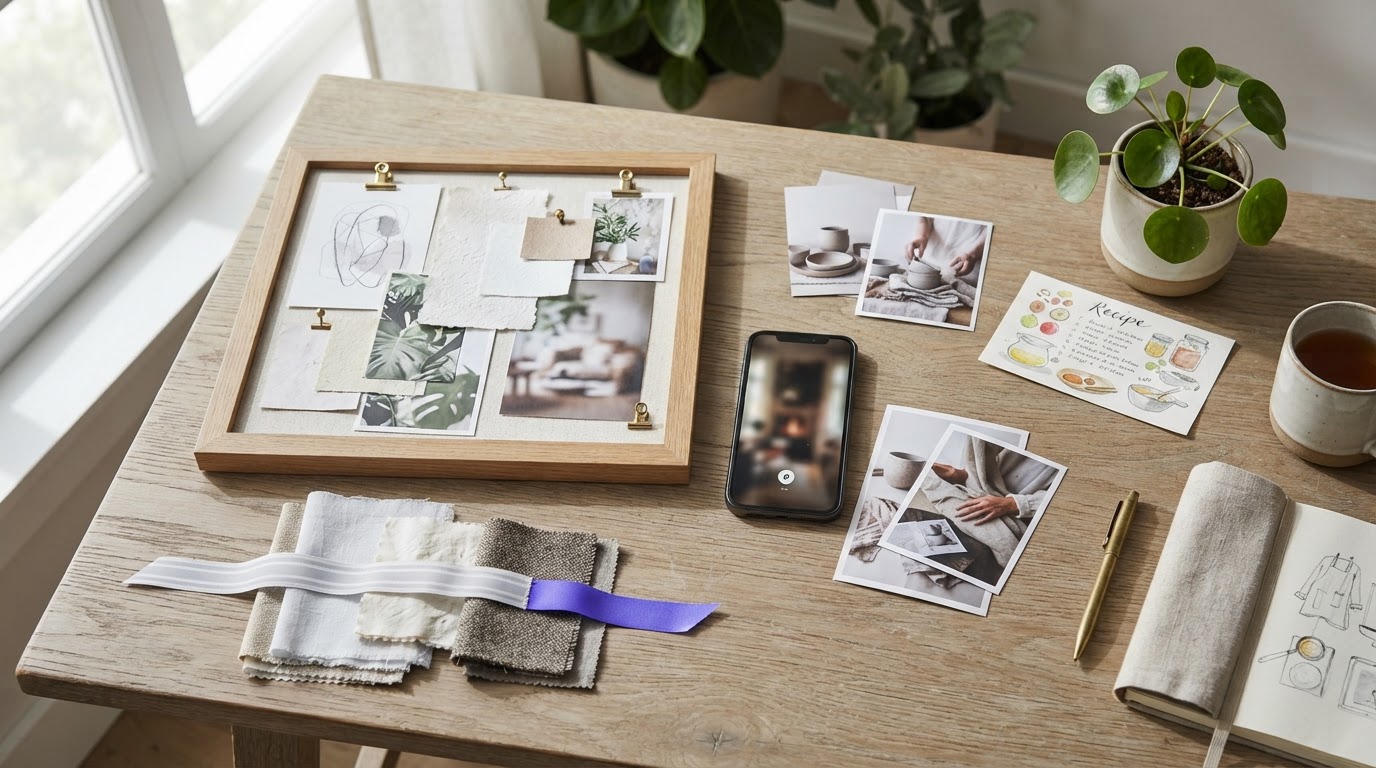
Instagram Reels is the most direct TikTok alternative for most small businesses. The format is nearly identical: vertical video, up to 90 seconds (sometimes longer), with an algorithm that surfaces content to people who do not follow you yet.
What it is good for: Product discovery, brand building, and driving traffic to a website or shop link. If your product or service photographs or films well, Reels is an obvious choice. Beauty, food, fashion, fitness, home goods, and services with a visible result tend to do very well here.
The shopping angle: Instagram Shopping lets you tag products directly inside Reels, making it possible for someone to go from watching your video to completing a purchase without leaving the app. This is a meaningful advantage over TikTok for businesses that already have an e-commerce store set up.
The audience: Instagram skews slightly older than TikTok, with strong engagement from the 25 to 44 age group. If your customers are in that range, Reels may actually outperform TikTok for your business.
What to watch: Organic reach on Instagram has been inconsistent. It can reward new content heavily one month and then pull back. Paid promotion through Meta Ads is mature and well-targeted, so Instagram works well as both an organic and paid channel.
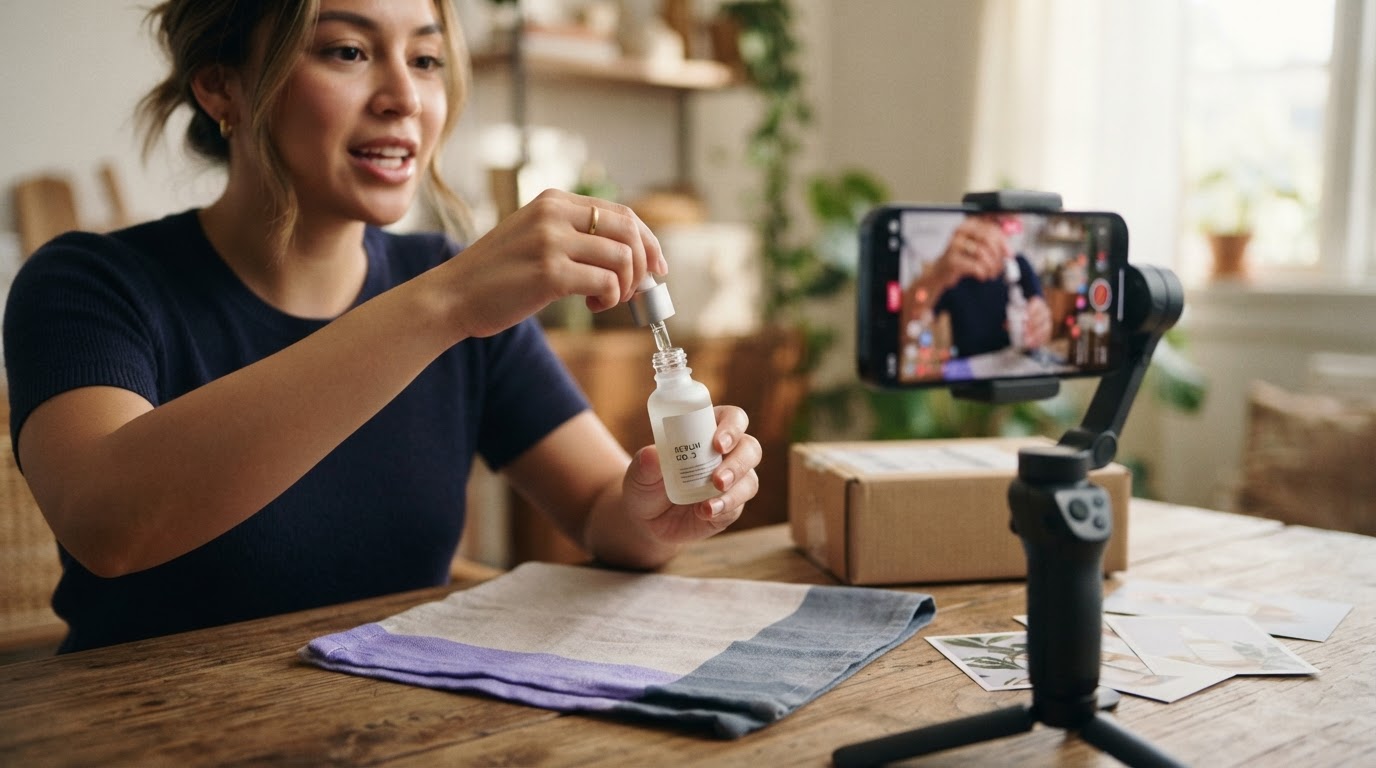
Content tip: The same UGC-style hooks and short product demos that work on TikTok work on Reels. You do not need to rebuild your content strategy from scratch. If you want to understand why UGC-style video performs so well, this guide on what AI creates UGC videos explains the format clearly.
YouTube Shorts
YouTube Shorts is one of the most underestimated platforms on this list. Google's backing means Shorts have a discovery advantage that no other platform can match: they surface in regular Google search results.
What it is good for: Search-driven discovery, longer customer lifetime, and building an audience that also watches your longer videos. If you create any kind of tutorial, demonstration, or educational content, YouTube Shorts can feed viewers toward a longer video or your channel page, which keeps people engaged with your brand far longer than a TikTok scroll.
The search advantage: Someone searching "how to use X product" or "best way to do Y" may see a YouTube Short in their search results. That is a form of reach no other short-form platform offers. For small businesses in niches where customers research before buying, this is a genuine edge.
The audience: YouTube has one of the broadest age demographics of any platform. Shorts specifically reach younger viewers while the overall platform skews slightly older, making it one of the few places where the same brand can reach a 19-year-old and a 45-year-old in the same week.
Monetization and ads: YouTube's ad platform is mature and detailed. You can run skippable in-stream ads, Shorts ads, and search ads all in one place.
This video is worth watching if you are trying to figure out how to use YouTube as a customer acquisition channel, not just a place to post content:
Content tip: Shorts that tease a longer video or answer one specific question tend to perform better than Shorts that try to tell a full story. Think of them as a front door, not the whole house.
Pinterest does not feel like a TikTok alternative at first glance, but for the right businesses it is one of the strongest content channels available, and it is consistently underused.
What it is good for: Visual products, aspirational lifestyle content, recipes, home decor, fashion, travel, wedding and events, fitness, and anything that benefits from being saved and referred back to. The key difference from every other platform on this list is that Pinterest content has a much longer lifespan. A pin can drive traffic for months or even years after it is posted.
The shopping angle: Pinterest Shopping lets users buy directly from pins, and the platform has been expanding its shopping features steadily. If you run an e-commerce business in a visual niche, Pinterest can drive consistent, purchase-ready traffic in a way that feels different from impulse-driven platforms.
The audience: Pinterest's user base skews heavily female (around 70 percent), with strong purchasing intent. Users often come to the platform specifically to plan a purchase. That is a very different mindset from scrolling TikTok for entertainment.
What to watch: Pinterest rewards consistency and quality over virality. You are not chasing a trending sound or a viral moment. You are building a catalog of useful, searchable visual content.
Video on Pinterest: Idea Pins and video pins do exist and are growing. Vertical video content repurposed from other platforms can work here, though static images still perform strongly.
This breakdown of Instagram Shopping, Pinterest Shopping, and Facebook Shops is useful if you are thinking about which shopping platform to prioritize alongside your content strategy:
Facebook Reels and Facebook Shops
Facebook feels older now, but the numbers are hard to argue with. It still has more active users than any other platform in most Western markets, and its advertising infrastructure is the most sophisticated available to small businesses.
What it is good for: Reaching customers over 35, running targeted paid ads, and selling through Facebook Shops. If your product appeals to a slightly older demographic or you want to run Meta Ads that appear across both Facebook and Instagram, Facebook is part of your ecosystem whether you actively post there or not.
Facebook Reels: Meta cross-posts Reels from Instagram to Facebook automatically if you choose that option. That means content you make for Instagram can reach Facebook users with almost no extra work.
Facebook Shops: Similar to Instagram Shopping, Facebook Shops lets you set up a product catalog inside the platform and tag products in posts and ads. The checkout experience has improved significantly, and it is now a viable sales channel for small e-commerce businesses.
The ad advantage: Meta's audience targeting for paid ads is still unmatched for most small business budgets. You can target by location, interest, behavior, life event, and lookalike audiences built from your own customer list. For businesses spending between $10 and $100 per day on ads, Meta Ads typically offers the most control.
What to watch: Organic reach on Facebook for business pages is very low. Facebook is best treated as a paid channel with organic content as a bonus, not the other way around.
Snapchat Spotlight
Snapchat Spotlight is the platform's answer to TikTok, surfacing short videos to users regardless of whether they follow the creator. It is genuinely underused by small businesses, which creates an opportunity.
What it is good for: Reaching a younger audience, particularly the 13 to 24 age group. If your product or service targets this demographic, Snapchat is one of the few places where you can reach them organically without a massive following.
The reach opportunity: Because fewer businesses are actively creating Spotlight content, the competition for attention is lower than on Instagram or TikTok. A small business that commits to consistent Spotlight content may find it easier to gain traction here than on more crowded platforms.
Snapchat Ads: The paid advertising side of Snapchat has matured considerably. Story ads, Collection ads, and Dynamic Product ads are all available. The audience skews younger, so it makes most sense for businesses targeting that age range.
What to watch: Snapchat's content culture is fast, casual, and often playful. Polished corporate-style content tends to underperform. Authentic, lo-fi video in the style of genuine UGC usually works better. If you already have a library of UGC-style clips, Spotlight is worth testing without much extra work.
LinkedIn is worth including on this list because it is genuinely effective for certain types of small businesses, and most people dismiss it too quickly.
What it is good for: B2B businesses, professional services, coaches, consultants, agencies, and any small business that sells to other businesses or to professionals. If your customer is a business owner, a manager, or a professional making purchasing decisions at work, LinkedIn is where they spend time.
The organic reach opportunity: LinkedIn's algorithm currently rewards original content more generously than most platforms. Text posts, carousels, and short videos all receive meaningful organic reach. For a small business owner who is willing to share genuine insights, LinkedIn can drive real leads without any paid spend.
Video on LinkedIn: LinkedIn has been pushing video content hard. Short, useful videos that share a business perspective, a lesson learned, or a behind-the-scenes moment tend to perform well. They do not need to be highly produced.
The carousel angle: Document posts on LinkedIn, which function like vertical carousel slides, are one of the highest-performing content formats on the platform right now. If you are already creating carousel content for Instagram using a tool like Swipr, repurposing those slides for LinkedIn is a low-effort way to extend your reach.
What to watch: LinkedIn is not the right channel if your customers are regular consumers rather than professionals or business buyers. It is highly targeted, which means its limits are as real as its opportunities.
Which platform should you focus on?
There is no single right answer, but there are useful frameworks for thinking about it.
Start with where your customers already are. If your product is visual and your buyers are 25 to 45, Instagram is the obvious first choice. If you are selling to businesses, LinkedIn makes more sense than Snapchat. If you are in a category like home decor, recipes, or fashion, Pinterest deserves serious attention.
Consider your content format. If you already have vertical video footage, Instagram Reels and YouTube Shorts are the fastest to add. If you have strong static images or product photography, Pinterest and LinkedIn carousels are low-effort additions.
Think about search. Pinterest and YouTube both index your content in ways that Instagram and TikTok do not. If your customers search for what you sell rather than discovering it through social feeds, those two platforms have a structural advantage.
Do not try to be everywhere at once. Choosing two platforms and showing up consistently is more valuable than posting occasionally to six. Pick a primary platform and one secondary platform, and build from there.
For a broader look at what makes short-form video work for marketing purposes, the pros and cons of short-form video covers the format honestly, including the parts that are often overhyped.
How to keep your content workflow manageable
The most common failure mode for small businesses branching out to new platforms is not picking the wrong platform. It is burning out trying to create completely different content for each one.
The solution is to build a library of reusable content rather than creating from scratch every time.
Repurpose vertically. One short vertical video can go to Instagram Reels, YouTube Shorts, Snapchat Spotlight, and even a Facebook Reel with almost no changes. You are not making four pieces of content. You are distributing one.
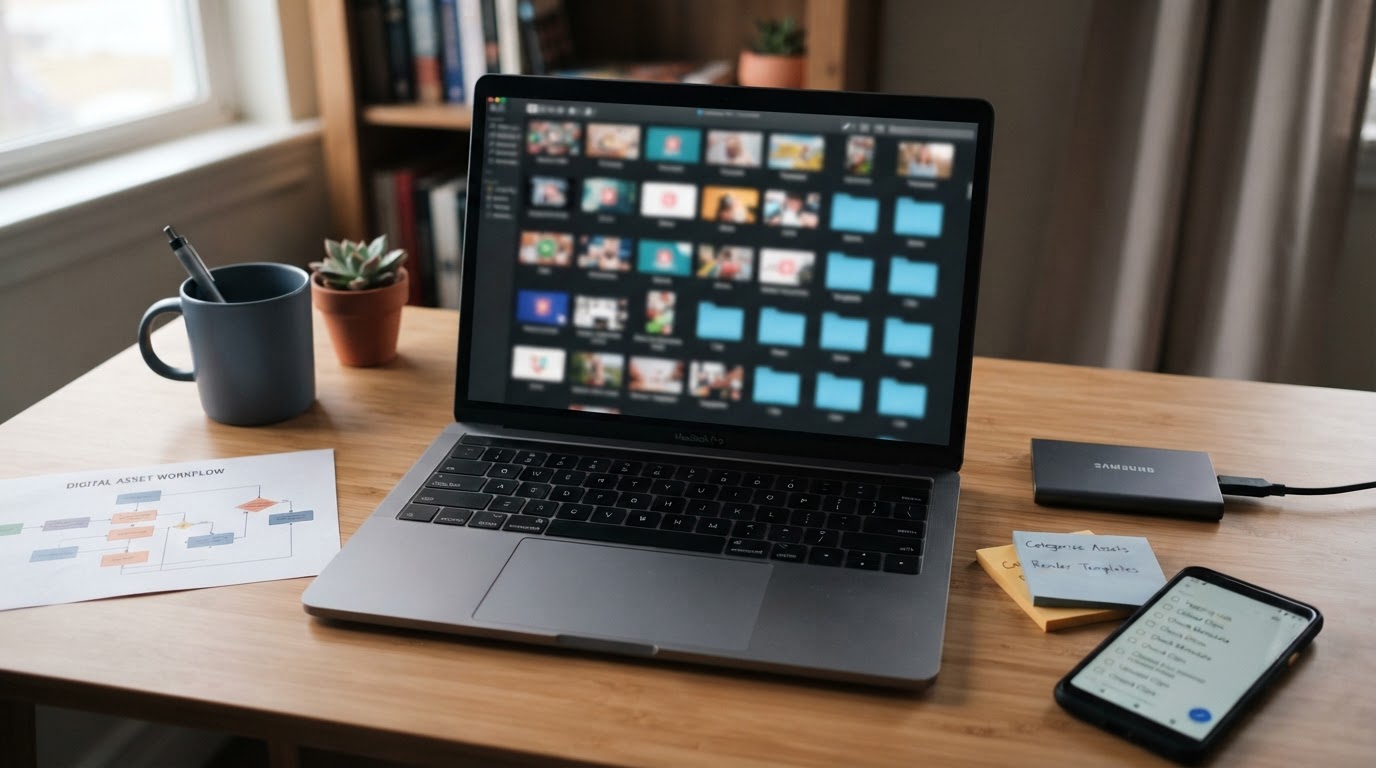
Score your clips before you build. Not every piece of footage is worth your time. Tools that score clips before you spend time editing them, like the clip scoring feature inside ClipStitchr, help you figure out which raw footage is actually worth using. The scoring looks at the hook, pacing, on-camera clarity, and how well the clip fits short-form formats. You find out what is worth using before you spend an hour building an ad around it.
Pair UGC with product demos. The format that performs best across every short-form platform right now is a UGC-style opener followed by a clear product demo. Someone real says something relatable in the first few seconds, and then the product proves the point. This structure works on TikTok, Reels, Shorts, and Spotlight. Building a library of interchangeable UGC openers and product demos means you can create variants quickly without reinventing your format each time.
If you are running ads across multiple platforms and want to understand how UGC fits into that system, the TikTok UGC ultimate guide for brands is useful reading even if you are applying the lessons to non-TikTok platforms.
Use templates to save your best setups. When a specific combination of hook, demo, text overlay, and caption structure works well, save it. ClipStitchr's Templates feature lets you save a finished ad setup and reuse it for the next batch without starting over. You swap in new footage while keeping the structure that already performed.
Build a library you can search. One of the quieter productivity problems for small businesses doing their own marketing is hunting through folders to find the right clip. Keeping UGC, demos, finished ads, and carousel posts in one searchable library removes a significant amount of friction from the workflow. When you can find and reuse clips quickly, posting consistently becomes much easier.
Automate drafts when you can. Tools that prepare daily content drafts for review, rather than requiring you to start from a blank screen every day, reduce the activation energy needed to stay consistent. ClipStitchr's automation can prepare Stitchr drafts, new UGC clips, and carousel posts in the background. You review them before anything goes live, which keeps you in control without requiring you to be in creative mode every single day.
For small businesses that want to use real human UGC rather than AI-generated clips, DansUGC is worth checking out. It is a library built specifically for brands that need authentic creator footage rather than synthetic video.
A note on content quality across platforms
There is a temptation to believe that each platform needs completely different, platform-native content. To some degree, this is true. LinkedIn content reads differently than Snapchat content. Pinterest images follow different aesthetic standards than Instagram.
But the underlying quality signals are more consistent than they appear. A clear hook in the first two seconds matters on every short-form video platform. Showing a real result matters everywhere. Keeping the pacing tight matters everywhere. The specifics of format, length, and tone vary, but the fundamentals of what makes content worth watching do not.
This is why investing in clip quality before you distribute is smarter than simply posting more volume. If your footage does not hold attention in the first few seconds, it will underperform on every platform you post it to. If your hook is strong and your product demo is clear, that content has a chance on all of them.
The how to get 1000 views on TikTok fast guide covers this in the context of TikTok, but the principles apply directly to Reels and Shorts as well. The platforms reward the same fundamental behaviors even if their algorithms work slightly differently.
Marketing strategies beyond platform choices
Choosing the right platform matters, but it is only one part of a small business marketing plan. It is worth briefly noting what works alongside short-form video.
Email list. Building an email list from your social audience gives you a direct line to customers that no platform can take away. Every piece of social content should have a reason to drive people toward an email signup at some point.
Search engine presence. For businesses that solve specific problems, getting found through Google search is often more valuable than social reach. Short-form video helps with this indirectly when you post to YouTube Shorts or Pinterest, but a basic website with clear product pages is still foundational.
Word of mouth and referrals. No platform matches a genuine referral from a satisfied customer. For many small businesses, the highest-ROI marketing investment is making the customer experience excellent enough that people naturally tell others about it.
This video from a small business marketing perspective covers several of these angles well:
Quick comparison: TikTok alternatives at a glance
| Platform | Best for | Content format | Shopping | Ad maturity |
|---|---|---|---|---|
| Instagram Reels | Visual products, 25-44 audience | Vertical video | Yes | Very high |
| YouTube Shorts | Search-driven discovery, tutorials | Vertical video | Limited | Very high |
| Visual niches, longer content lifespan | Image, video | Yes | Moderate | |
| 35+ audience, paid ads | Mixed | Yes | Very high | |
| Snapchat Spotlight | 13-24 audience, casual content | Vertical video | Limited | Moderate |
| B2B, professional services | Text, video, carousels | No | Moderate |
What to do next
If TikTok uncertainty has been sitting in the back of your mind, the most useful thing you can do is pick one platform from this list and start posting consistently for 60 days. You do not need to be great at it on day one. You need to learn how your audience responds on that platform, which means showing up long enough to gather that information.
If the content workflow is the bottleneck, whether that is finding the right clips, building ad variants, or simply keeping up with the volume, ClipStitchr is built to reduce that friction. Upload your clips once, score them before you build, pair UGC openers with product demos, and create finished vertical ad variants without opening a timeline editor. The same library works across whatever platforms you are posting to.
The platform landscape will keep shifting. The businesses that adapt fastest are the ones that already have reusable content systems in place, not the ones scrambling to rebuild from zero every time something changes.