TikTok is not a social media platform that rewards the most polished content. It rewards content that keeps people watching. That one difference changes almost everything about how marketing works there.
For indie app builders and mobile marketers, that is actually good news. You do not need a production team or a big ad budget to win on TikTok. You need a clear hook, a useful product, and a repeatable workflow for turning clips into ads.
This guide covers how TikTok marketing works at a practical level: what the algorithm actually does, what kinds of content perform, how to structure ads, and how to build a system so you are not starting from zero every week.
Table of Contents
- Why TikTok is different from other ad platforms
- How the TikTok algorithm works
- The types of content that drive results
- TikTok ad formats explained
- How UGC became the dominant format
- Building a hook that works
- Organic vs. paid: how they work together
- What a repeatable TikTok ad workflow looks like
- Tools that make the process less painful
- Common mistakes and how to avoid them
Why TikTok Is Different
Most platforms show your content to your followers first. TikTok does not work that way. The For You Page (FYP) shows content to people based on what they have engaged with before, not who they follow. A brand new account with zero followers can get a million views if the content earns attention.
That sounds exciting, and it is. But it also means the rules are different.
On Instagram or Facebook, you can build an audience slowly and expect a reasonable percentage of followers to see each post. On TikTok, every video competes cold. If the first few seconds do not work, the algorithm stops showing it. If it does work, the algorithm pushes it to more people automatically.
This makes TikTok both more democratic and more demanding. Anyone can go wide, but only if the content earns it second by second.
For app builders specifically, this matters because TikTok users have very low tolerance for content that feels like an ad. The platform grew on authenticity, humor, and genuine reactions. Anything that looks like a TV commercial tends to get skipped immediately.
The good news: when you get it right, TikTok can drive app installs at a scale and cost that paid search rarely touches.
How the TikTok Algorithm Works
The TikTok algorithm is not a mystery, but it does have some quirks worth understanding before you invest time in content.
The algorithm pays close attention to a few signals:
Watch time and completion rate. If people watch your video all the way through, that is the strongest signal that the content is working. A high completion rate tells TikTok to show it to more people.
Replays. When someone watches a video more than once, TikTok treats that as a strong positive signal.
Shares. Shares push content outside the platform entirely, which TikTok values highly because it grows the user base.
Comments and saves. Both signal engagement, though they carry slightly less weight than shares and replays.
Early retention. The first two to three seconds matter most. TikTok measures what percentage of people swipe past immediately. If most people bail in the first second, the video gets very limited distribution.
What does not matter as much as people think: follower count, posting frequency on its own, and hashtags beyond very basic topic signals.
The practical implication for marketers is this: your job is to make someone stop scrolling in the first second, and then keep them watching. Everything else is secondary.
The Types of Content That Drive Results
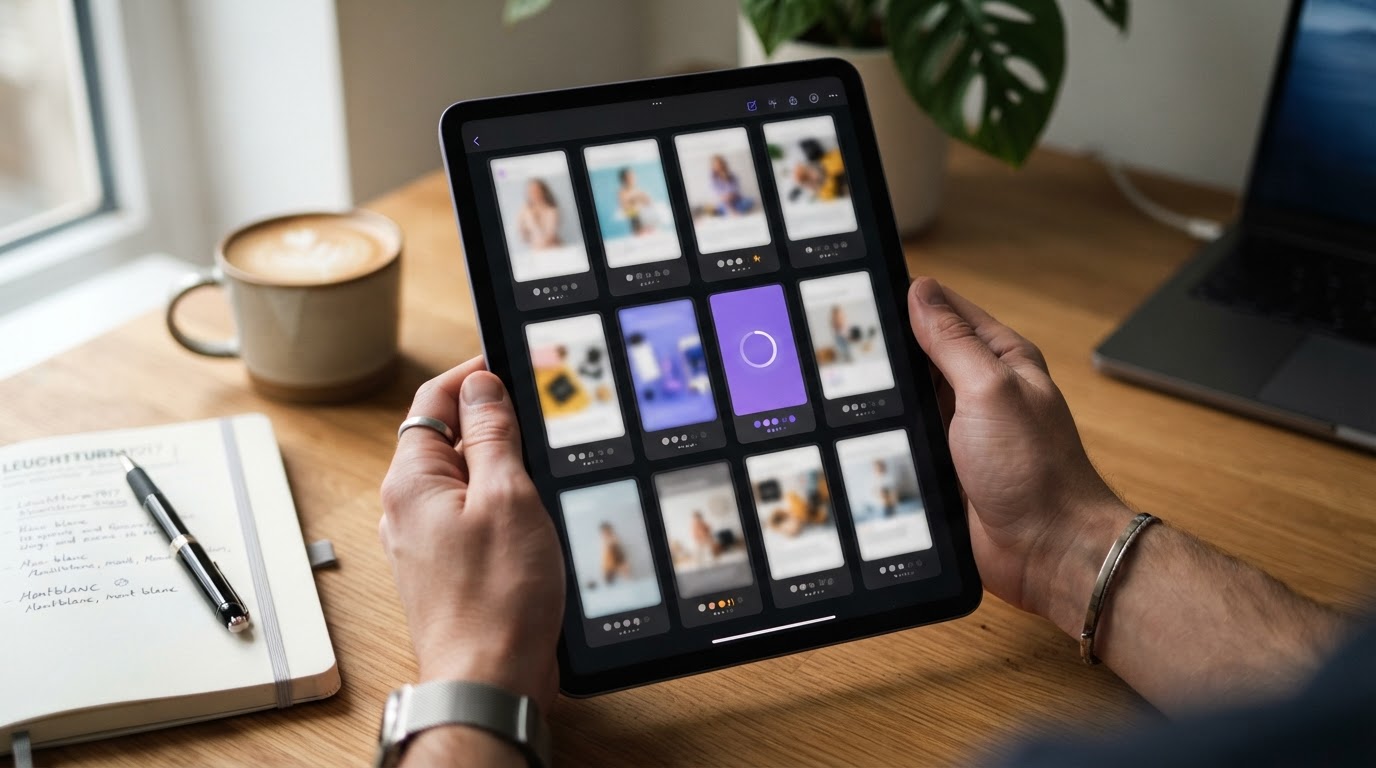
Not all TikTok content works the same way for marketing. There are a few formats that consistently outperform others for brands and app builders.
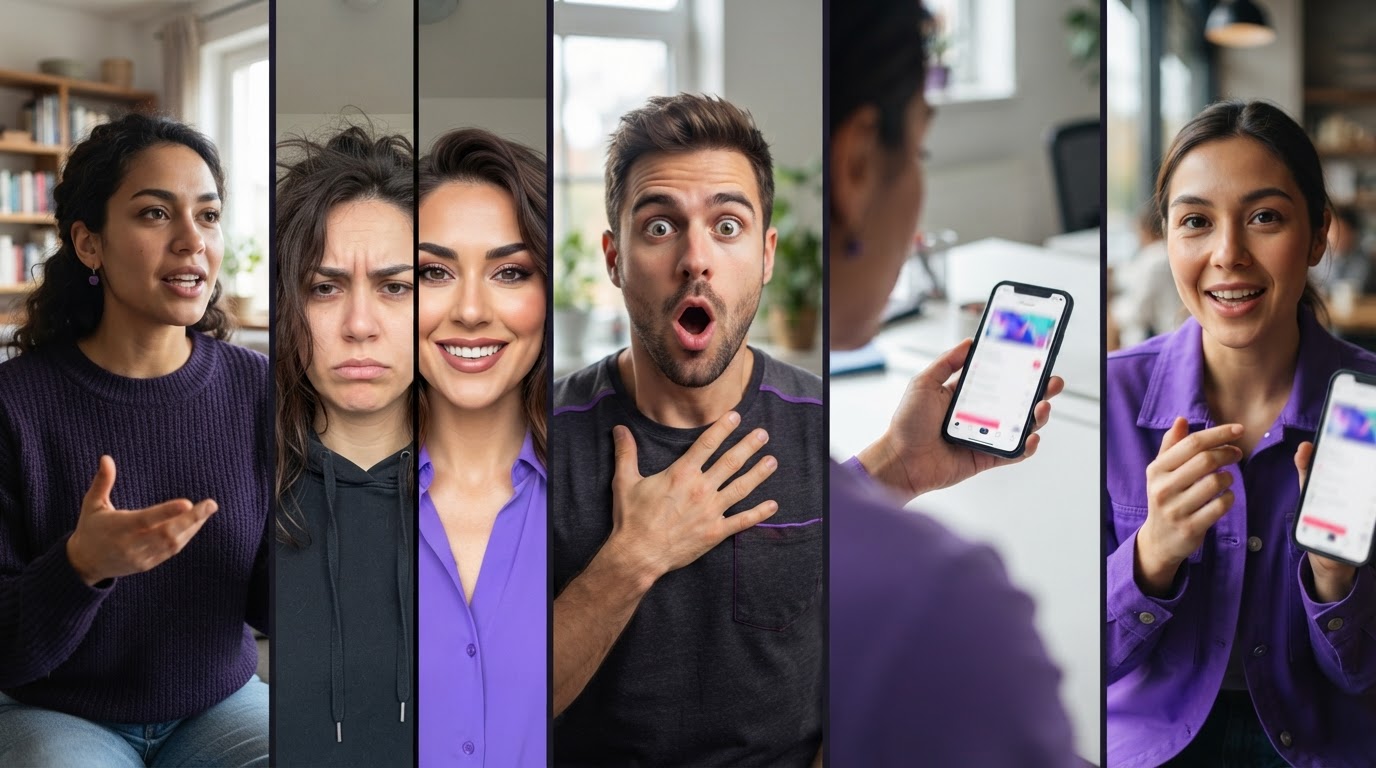
Authentic talking-head videos
Someone talking directly to the camera about their experience with a product. Not a polished testimonial with a ring light and branded background. A real-feeling, slightly imperfect clip where someone sounds like they are telling a friend about something that worked.
Before-and-after formats
Show a problem, then show the solution. This works especially well for apps because the "before" is often frustrating friction and the "after" is a satisfying resolution. Keep both parts short.
Reaction clips
Someone reacting to a product, result, or piece of information. The reaction itself earns attention because human faces are naturally engaging. The product becomes interesting because someone is visibly interested in it.
Screen recordings and demos
For app marketers, a clean screen recording of the product doing something useful can work very well, especially when the first few seconds show the outcome rather than the setup. Show the result early, then explain how.
Educational content
Short, specific tips that are genuinely useful. These work organically and also transfer well into paid formats. If your app solves a problem, content that explains the problem in a useful way earns trust before the pitch arrives.
TikTok Ad Formats Explained
If you are running paid campaigns on TikTok, there are a few formats to know.
In-Feed Ads appear in the FYP exactly like organic content. They autoplay, show a CTA button, and need to earn attention the same way organic content does. This is the most common format for app marketers and the one where hooks matter most.
TopView Ads are the first thing a user sees when they open the app. They are expensive and mostly used by large brands for awareness campaigns.
Branded Hashtag Challenges invite users to create content around a theme. This is a brand awareness format and requires significant resources to execute well.
Spark Ads let you boost existing organic posts, including posts from other accounts with their permission. This is one of the most underused formats for indie builders because it lets you put ad spend behind UGC content that is already working.
Collection Ads combine video with a product catalog, aimed mostly at e-commerce.
For indie app builders, In-Feed Ads and Spark Ads are where to focus. They have the lowest floor to get started and the clearest connection between ad creative and install results.
How UGC Became the Dominant Format
User-generated content (UGC) took over TikTok advertising because it looks like the platform. When someone scrolls through the FYP, an ad that looks like a polished brand video breaks the pattern and gets skipped. An ad that looks like a genuine clip from a real person blends in, earns attention, and gets watched.
UGC in an advertising context usually means video clips that feel personal and authentic, even when they are produced intentionally for an ad. A person talking about why they use an app, reacting to a result, or sharing a quick tip that leads into a product demo.
The structure that tends to work best is simple: open with something that earns attention (the hook), then show the product doing something useful (the demo). That combination, hook first then demo, is the backbone of most high-performing TikTok ads for apps.
For a detailed breakdown of how UGC functions on TikTok specifically, the TikTok UGC ultimate guide for brands covers the mechanics well.
If you want to understand how UGC works on TikTok at a platform level, including how the algorithm treats it differently from branded content, this guide on how UGC works on TikTok is worth reading alongside this post.
The challenge for indie builders is sourcing enough UGC. Real creator UGC takes time and money to commission. That is why AI-generated UGC and synthetic clips have become genuinely useful tools rather than just shortcuts. When you need a reaction clip or a talking-head opener and do not have one ready, generating one can keep the workflow moving. A platform like DansUGC is built around sourcing real-human UGC ads specifically designed to perform on short-form platforms.
Building a Hook That Works
The hook is the first one to three seconds of a video. It is the most important part of any TikTok ad, and it is the part most people spend the least time on.
A hook needs to do one thing: make the viewer want to keep watching. That sounds simple, but it is genuinely hard to write well.
There are a few patterns that consistently work:
The unexpected statement. Start with something surprising or counterintuitive. "The reason most people never lose weight has nothing to do with calories." If the statement is true and the product delivers on it, this works well.
The direct call-out. Address the viewer by their situation. "If you spend more than two hours a week editing TikTok ads..." This filters for exactly the right audience and signals immediately that the content is for them.
The visible result. Start with the outcome before explaining how. Show the app doing something impressive, then explain what it is. Curiosity pulls people forward.
The relatable frustration. Open with a moment that your target user has experienced. "You spend an hour making an ad and it gets 40 views." The recognition of their own pain is enough to keep them watching.
What does not work well: starting with a logo, a brand name, a price, or a call to action. These immediately signal "ad" and most viewers skip.
Writing hooks that sound genuine rather than scripted is harder than it looks. Hook Lab, part of the ClipStitchr toolkit, exists specifically to help with this. You paste in lines that made you stop scrolling, lines that felt fake, and the tool writes options that do not sound like they came from a template.
Organic vs. Paid: How They Work Together
A lot of people treat organic TikTok and paid TikTok as separate strategies. They work much better together.
Organic content tells you what actually resonates with real people before you spend money on it. If a video gets strong engagement organically, that is a signal it might perform well as a paid ad. Running it as a Spark Ad puts budget behind something already proven to work.
Paid ads without any organic presence also tend to perform worse over time. When someone sees an ad and clicks through to a profile with no content, trust drops. A small amount of consistent organic posting, even a few videos a week, gives the paid campaign something to land on.
For app builders who are stretched thin, a practical approach looks like this: make a batch of five to ten video variations, post two or three organically, watch which performs best in the first 48 hours, and then put a small budget behind the winner as a paid In-Feed Ad. Iterate from there.
Getting early views matters for that feedback loop. The post on how to get 1000 views on TikTok fast covers how to optimize early distribution, which is worth reading if you are just starting out.
What a Repeatable TikTok Ad Workflow Looks Like
The biggest problem most indie builders run into with TikTok marketing is not strategy. It is the fact that making ads is slow and feels like starting over every time.
A repeatable workflow fixes that. Here is what one looks like in practice.
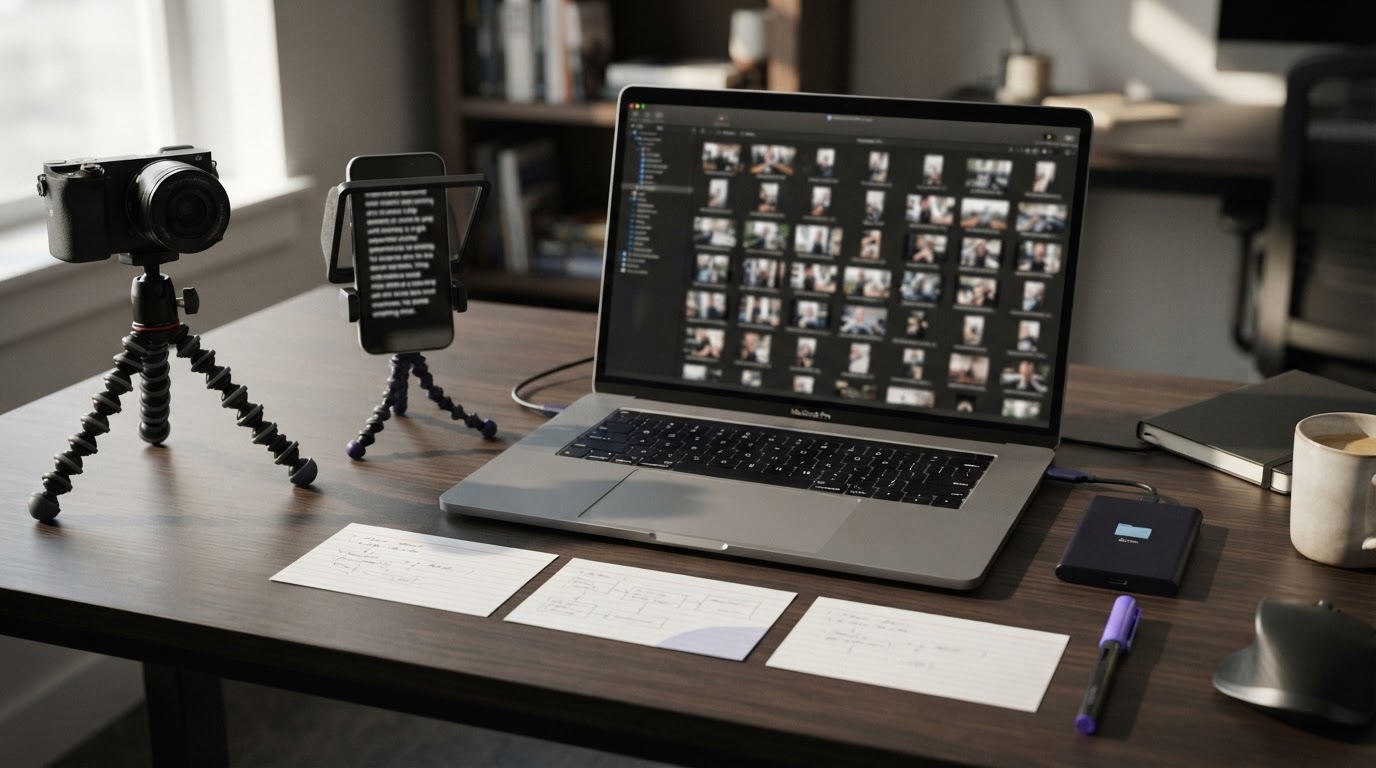
Step 1: Record your product demo once. A clean screen recording or walkthrough of your app doing its most impressive thing. You do not need to re-record this every week. One strong demo can be paired with many different hooks.
Step 2: Build a library of hook clips. Reaction clips, talking-head clips, before-and-after openers. These can come from real footage you shoot, clips you commission from creators, or generated clips when your library is thin. The goal is to have enough variety that you can make many ad variations without needing new raw footage constantly.
Step 3: Pair hooks with the demo. Each finished ad is a hook clip followed by the product demo. Making five variations means using five different hooks in front of the same demo. This is fast when you have the clips ready.
Step 4: Score before posting. Before any ad goes live, a quick check on whether the opener is strong, the pacing holds, and the transition from hook to demo is smooth. Small issues caught before posting save you from wasting an ad slot on something that was fixable in two minutes.
Step 5: Save the structure that worked. When an ad performs well, save its structure as a template. The trims, text style, caption format, and timing. The next batch starts from that rather than from nothing.
Step 6: Review results and iterate. Look at which hooks drove the most completions. Replace the weakest performers with new variations. Keep the demo if it is working.
This workflow sounds straightforward written out, but the friction usually comes from clip management. Clips end up in random folders, demos get re-recorded unnecessarily, and every new batch feels like rebuilding from scratch. That is what good tooling is supposed to eliminate.
Tools That Make the Process Less Painful
There are a few categories of tools worth knowing for TikTok marketing.
Ad creation and clip management. This is where most of the friction lives. ClipStitchr is built specifically for indie app builders who have product demos and UGC clips but spend too much time manually editing ads. You upload hook clips and a product demo once, and the tool pairs them into finished vertical ads without timeline editing. Clip and Stitch scores give you a quick read before anything goes live, and templates save the structure from ads that worked so the next batch does not start from zero. When the clip library is thin, tools called Clipr and Swapr can generate hook clips using avatar photos, so you are not stuck waiting on a new shoot.
The fitness app growth case study for Guppy shows what this kind of workflow looks like in practice for a real app.
Scheduling and analytics. Once ads and organic posts are ready, scheduling them consistently matters. Post-Bridge connects with ClipStitchr to handle scheduling after drafts are ready and pulls basic results back into the workflow, so the next version is informed by what actually happened. Post-Bridge handles the distribution side without adding another tool to manage separately.
UGC sourcing. When you need real human creators rather than generated clips, DansUGC is a library focused on UGC ads built for short-form platforms. Useful when authenticity is the priority and generated clips are not the right fit.
TikTok Ads Manager. The native tool for running paid campaigns. It has audience targeting, creative testing, and campaign analytics built in. The learning curve is manageable and the targeting options are genuinely useful for reaching specific demographics.
It is also worth knowing that TikTok is not the only option. If the platform ever becomes unavailable in your market, or you want to diversify your short-form presence, the post on top TikTok alternatives for small business marketing covers what else is worth considering.
Common Mistakes and How to Avoid Them
Making every video look like an ad. The fastest way to kill performance on TikTok is to open with branding, a product name, or a price. Start with something that works for a viewer who has never heard of you. The product reveal comes after you earn attention.
Ignoring the first three seconds. Most marketers spend 80 percent of their effort on the middle and end of an ad and almost nothing on the opener. The opener is the only part that determines whether the rest gets seen. Test multiple hooks against the same demo before concluding the demo is the problem.
Testing too little creative. TikTok rewards variation. An ad that works for two weeks will eventually fatigue. If you only have one or two versions, you have nowhere to go when performance drops. A library of hooks and a repeatable stitching workflow means you always have fresh variations ready without starting from scratch.
Chasing trends without connecting them to your product. Participating in trends can work, but only when there is a genuine connection to the product. A fitness app jumping on a trending audio with no connection to health or productivity looks desperate. A trending audio that naturally complements a moment in your app demo can work very well. The connection has to feel logical, not forced.
Neglecting captions. A significant portion of TikTok users watch with sound off, especially in public places. Captions are not optional. They are part of the ad. Keep them tight, readable, and timed to match the spoken words or the action on screen.
Treating organic and paid as completely separate. Running paid campaigns with no organic presence means every impression is bought cold. Organic posts, even a small number, give the paid campaign social proof and a place for users to land. They also provide data about what works before money is spent.
Not scoring clips before building ads around them. A slow opener, an unclear demo, a bad transition: these are fixable problems. But they only get fixed if they are caught before the ad goes live. Scoring clips before building ads around them, and scoring finished stitches before posting, is the difference between fixing small problems cheaply and discovering them after burning ad spend.
Putting It Together
TikTok marketing is more learnable than it looks from the outside. The algorithm is not hostile to newcomers. It is indifferent to follower count and generous with reach when content earns it. That is a real opportunity for indie app builders who understand the format.
The core of it is straightforward: build a hook that makes someone stop, show the product doing something useful, keep it short, and have enough variations ready that you can iterate quickly. Everything else, the ad formats, the targeting, the tools, supports that core loop.
The harder part is building a workflow that makes content production sustainable. Doing all of this manually every week is exhausting, which is why so many builders give up before they find what works. Tooling that removes the repetitive parts, pairing hooks with demos, scoring before posting, saving structures that worked, is what makes the difference between marketing as a part-time commitment and marketing as a full-time drain.
If you want to see what a structured TikTok ad workflow looks like in practice, ClipStitchr is worth trying. Upload your clips and a product demo once, build a reusable library, and turn them into finished vertical ads without rebuilding the same workflow every week. There is a 14-day free trial and no credit card required to start.